Lung Health Guide: How Lungs Clean Themselves and What Really Helps
Quick answer
Your lungs clean themselves: mucus traps dust and germs and tiny hairs called cilia sweep it up to be coughed out or swallowed. What helps most is not smoking (1-800-QUIT-NOW), avoiding smoke and bad air, checking the AQI, exercise, check-ups and vaccines. A cough of 8 weeks or more needs a clinician, not a supplement.
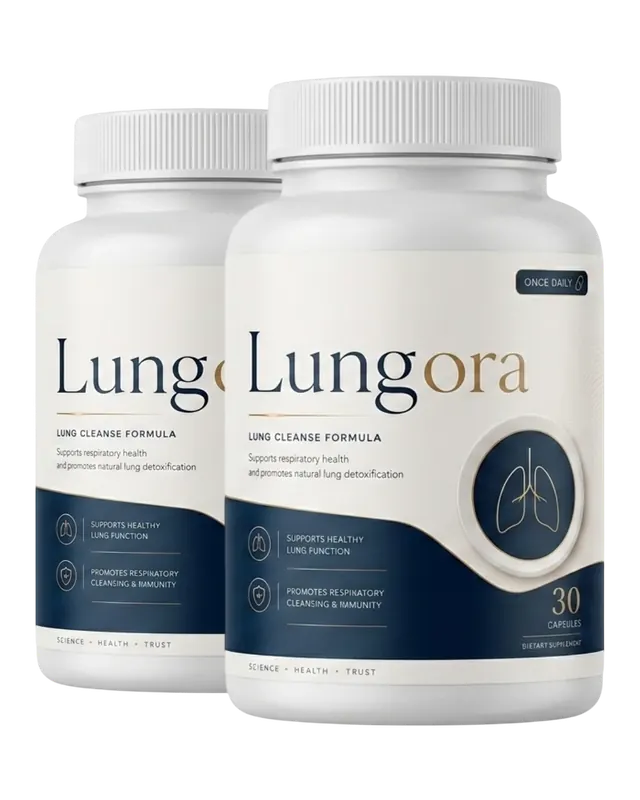
Most people think about their lungs only when a stair climb leaves them winded or a cough hangs on. This guide covers what your lungs already do to protect themselves, the habits that really help, and the signs that call for a clinician. We sell Lungora; the last section explains where it fits, which is near the bottom.
How do your lungs protect and clean themselves?
Your airways have their own cleaning crew. The American Lung Association says they are lined with cilia, thin little hairs, and coated with mucus. The mucus traps dust, germs and other unwanted matter, and the cilia move it upward (American Lung Association, How Lungs Work).
- 1
Air comes in
Each breath carries dust, germs and, for smokers, smoke into the airways.
- 2
Mucus catches it
A thin coat of mucus holds on to much of what should not reach deeper.
- 3
Cilia sweep it up
Tiny hairs push the mucus up and out of the airways, toward the throat.
- 4
You clear it
A cough, a sneeze, clearing your throat or a swallow gets rid of it.
- 5
Healing can start
Once the exposure stops, the lungs begin to heal on their own.
The American Lung Association calls the lungs self-cleaning organs that start to heal once they are no longer exposed to pollutants (American Lung Association, Can You Detox Your Lungs?). So the best help is less for them to clean up.
There is a limit. Long-term damage, such as decades of smoking, can destroy the tiny air sacs, and a lung doctor quoted by WebMD says those cannot be replaced (WebMD, Lung Detox: Can You Cleanse Your Lungs?). Lung capacity also declines with age (American Lung Association, How Lungs Work), which is one more reason to protect what you have.
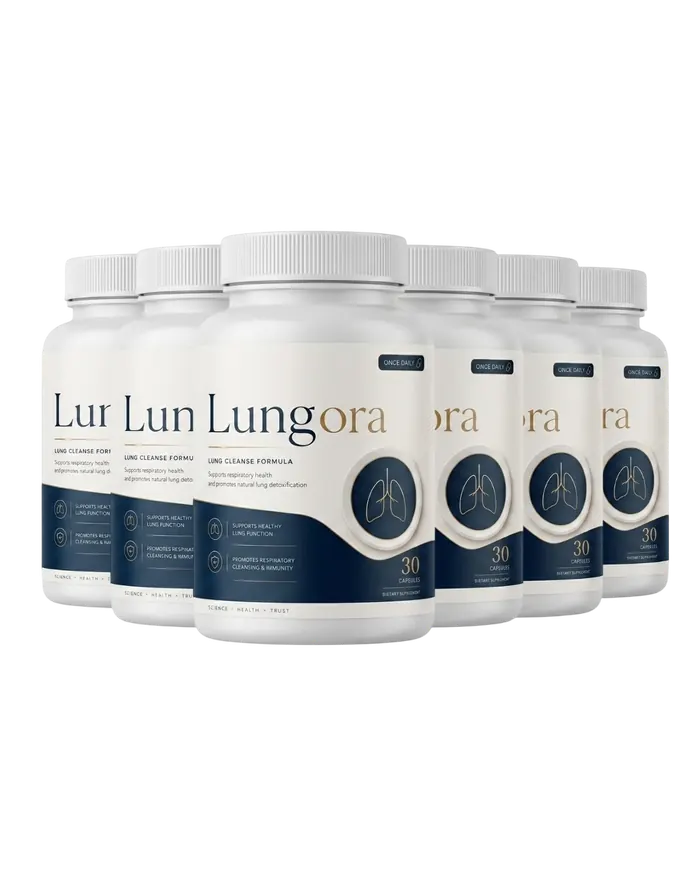
Curious about Lungora? The 6-bottle order gives the lowest price per bottle.
6 bottles at $49 each, $294 total. 60 days to request your money back · Ships free on 3 or 6 · Paid via BuyGoods.
What really helps your lungs, according to lung health groups?
Lowering what you breathe in, staying active and getting checked. These steps show up again and again in the American Lung Association, NIH and Cleveland Clinic pages we read. None of them is a pill.
| Step | Why it helps | Source |
|---|---|---|
| Do not smoke, or quit | Smoking is the major cause of lung cancer and COPD. Quitting helps at any age. | (American Lung Association, Protecting Your Lungs) |
| Clean up indoor air | Secondhand smoke, household chemicals, mold and radon all reach the lungs. | (American Lung Association, Protecting Your Lungs) |
| Watch outdoor air | Skip outdoor workouts on bad air days and near heavy traffic. | (CDC, About Air Quality) |
| Protect yourself at work | Wear a respirator and ventilate the space around dust or fumes. | (Cleveland Clinic, Lungs) |
| Move every week | Physical activity and not smoking can help prevent lung injury and disease. | (NHLBI, How the Lungs Work) |
| Avoid infections | Wash hands, mask during outbreaks, ask about recommended vaccines. | (Cleveland Clinic, Lungs) |
| Get regular check-ups | Lung disease can go unnoticed until it is serious. | (American Lung Association, Protecting Your Lungs) |
The Cleveland Clinic adds a healthy weight and plenty of fluids. Neither list mentions detox products or supplements.
How much does quitting smoking help your lungs?
More than anything else on this page. The CDC says quitting lowers the risk of COPD, slows it in people who already have it, and eases cough, phlegm and wheezing. Here are the numbers it gives.
Those figures come from the CDC page on the benefits of quitting (CDC, Benefits of Quitting Smoking). For help, call 1-800-QUIT-NOW. The CDC says quitlines give free coaching over the phone and that FDA-approved medicines can help too (CDC Tips From Former Smokers, How to Quit Smoking).
Our post on lung cleanse for smokers covers the first months after quitting.
How do secondhand smoke, radon and the Air Quality Index affect your lungs?
They add to the load your lungs must clear, so cutting them down helps. Indoors, the American Lung Association lists secondhand smoke, household chemicals, mold and radon as the main concerns, and it advises against burning wood or trash (American Lung Association, Protecting Your Lungs).
Reading the Air Quality Index
Outdoors, check the Air Quality Index (AQI) before a long walk or yard work. The CDC says you can find it on the web, on local TV weather, through email alerts or in the AirNow app. Air pollution can make breathing harder for people with asthma and other lung diseases (CDC, About Air Quality).
On a Code Orange day, the CDC suggests moving outdoor activity to a time or place with cleaner air. On days with high ozone or particle pollution, pick lighter activity, keep it shorter or exercise indoors.
Does exercise help your lungs, and do check-ups and vaccines matter?
Yes to all three. The American Lung Association says being active can help keep your lungs healthy, and NHLBI names physical activity and not smoking as habits that can help prevent lung injury and disease (American Lung Association, Protecting Your Lungs) (NHLBI, How the Lungs Work).
Check-ups matter because lung disease can stay quiet until it is serious.
Vaccines and plain hygiene help you avoid chest infections. The Cleveland Clinic suggests washing hands, wearing a mask during outbreaks and asking your provider which vaccines are recommended for you (Cleveland Clinic, Lungs).
What are COPD and asthma, in plain words?
Both are long-term lung conditions with no cure, and both are managed with medical care, not supplements.
| COPD | Asthma | |
|---|---|---|
| What happens | Damage to the airways or other parts of the lung (emphysema, chronic bronchitis) | Airways become inflamed and narrowed |
| How common | 11.7 million people in America | 1 in 13 Americans |
| Main causes or triggers | Cigarette smoking is the main US cause; air pollution and a genetic condition too | Pollen, exercise, viral infections or cold air |
| Common symptoms or first steps | Coughing with lots of mucus, shortness of breath, chest tightness | In an attack, use the reliever inhaler and follow the action plan |
| Is there a cure? | No; quitting smoking, medicines, oxygen and rehab help | No; treatment and an action plan help |
Sources: (NHLBI, What Is COPD?) (American Lung Association, Learn About COPD) (NHLBI, What Is Asthma?). If an asthma attack does not ease with medicine or breathing is still very hard, NHLBI says to call 9-1-1 (NHLBI, Asthma Attack).
What are the warning signs of lung disease?
A cough lasting eight weeks or longer, breathlessness with little effort, and coughing up blood are among them. The American Lung Association lists six signs and says to book a visit as soon as possible if you have any of them. It also warns not to assume trouble breathing is a normal part of aging (American Lung Association, Warning Signs of Lung Disease).
Breathing warning-sign check
Have you had a cough for eight weeks or longer?
Do you get short of breath with little or no effort, or does it linger long after exercise?
Have you coughed up mucus for a month or longer, or started wheezing?
Have you coughed up blood, or had chest pain for a month or more?
Is breathing very hard right now, even after your inhaler or other medicine?
Answer every question to see your result. Nothing is saved or sent.
No warning sign today. Keep up the habits above and mention any change at your next check-up.
One or more warning signs. Make an appointment with your provider as soon as you can. A supplement is not the answer here.
Call 9-1-1 now. Very hard breathing that medicine does not relieve is an emergency.
Where does a supplement like Lungora fit in lung health?
At the end of the list, if at all. Lungora is a once-daily capsule with 80 mg of magnesium and a 575 mg proprietary blend of alpha lipoic acid, butcher’s broom, L-carnitine, turmeric extract and CoQ10. The bottle says LUNG CLEANSE FORMULA, but none of those ingredients has a human lung study in the sources we read.
The brand’s own sales page calls the ingredients nerve, circulation and antioxidant support, never detox or cleanse. It is not a treatment for COPD, asthma or any infection, and it replaces nothing above.
Read do lung detox supplements work? for the evidence on detox products, the Lungora ingredients page for each ingredient, and Lungora side effects for drug cautions.
Questions about keeping your lungs healthy
Do I need to do anything to help my lungs clear mucus?
Usually not; mucus and cilia do it, then a cough or swallow. Mucus that lasts a month or longer is a warning sign to get checked.
Can your lungs heal after years of smoking?
Partly. The American Lung Association says lungs begin to heal once exposure stops, but air sacs destroyed by long-term smoking cannot be replaced, so quitting sooner helps more.
What supplements help lung health?
None of the lung health sources we read recommends a supplement for healthy lungs. Their advice is not smoking, clean air, exercise, check-ups and vaccines.
Is getting short of breath a normal part of aging?
Do not assume so. Lung capacity does decline with age, but the American Lung Association says breathlessness with little effort is a warning sign to check.
What AQI level should change my outdoor plans?
The CDC says to move outdoor activity on a Code Orange day. On high ozone or particle days, go lighter, shorter or indoors.
Can Lungora replace an inhaler or COPD medicine?
No. Lungora is a dietary supplement, not a treatment for COPD, asthma or any lung disease. Keep taking what your clinician prescribed.
Page check
Written by
Reads every line of the bottle label and checks each health statement against NIH, CDC, FDA and American Lung Association pages.
- Label check date: October 13, 2026
- Built from the printed bottle label, the brand order and policy pages, and the health sources cited in the text
- See something wrong? Tell us at [email protected], and read how this site checks claims