Lung Cleanse for Smokers: What Really Helps After You Quit
Quick answer
The lung cleanse that works for smokers is quitting. The CDC says coughing and shortness of breath ease within 1 to 12 months, and lung cancer risk halves after 10 to 15 years. Call 1-800-QUIT-NOW for free coaching. No pill removes tar or reverses smoking damage, and high-dose beta-carotene may raise lung cancer risk in smokers.
If you smoked for years, it makes sense to want something that scrubs the damage away. Lung cleanse products are sold for exactly that wish, and many of the searches for them come from smokers. This post sorts what really changes your lungs after cigarettes from what a bottle can promise.
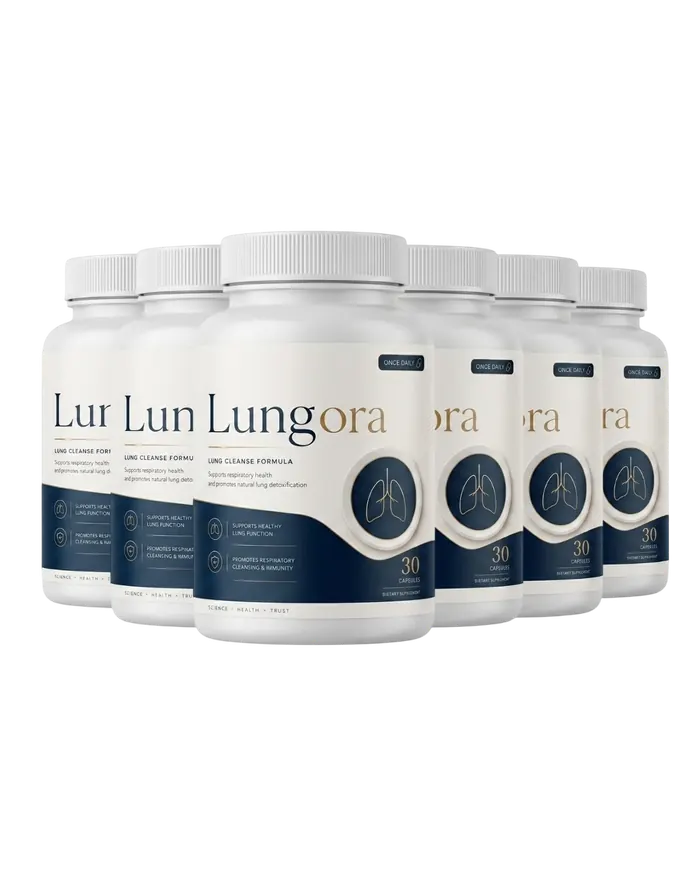
We sell Lungora, which says LUNG CLEANSE FORMULA on the front. We still put quitting first, because that is where the evidence is.
Is there a lung cleanse for smokers that actually works?
Yes, and it is free: stopping the smoke. The American Lung Association says lungs are self-cleaning organs that begin to heal once they are no longer exposed to pollutants, and calls quitting the most effective thing you can do to limit and heal lung damage (American Lung Association, Can You Detox Your Lungs?).
No pill has that kind of record. The same page says most detox products lack adequate scientific data to recommend them, and none of the six ingredients in our own capsule has a human lung study in the sources we read.
Curious about Lungora? The 6-bottle order gives the lowest price per bottle.
6 bottles at $49 each, $294 total. 60 days to request your money back · Ships free on 3 or 6 · Paid via BuyGoods.
What happens to your lungs after you quit smoking?
Symptoms ease within months and risks keep falling for years. The CDC gives the milestones below; the line draws as you scroll.
- Day 1
The exposure stops
With no new smoke to clear, the lungs’ own mucus and cilia system can start to catch up.
- 1 to 12 months
Breathing gets easier
Coughing and shortness of breath decrease, according to the CDC.
- The years ahead
COPD risk drops
Quitting lowers the chance of COPD and, in people who have it, slows the loss of lung function.
- 10 to 15 years
Lung cancer risk halves
The added risk of lung cancer is cut in half. Lung cancer is one of 12 cancers whose risk falls after quitting.
Milestones from the CDC page on the benefits of quitting (CDC, Benefits of Quitting Smoking). It also says quitting reduces cough, sputum production and wheezing.
Some damage does not come back. A lung doctor quoted by WebMD says air sacs destroyed by long-term smoking cannot be replaced, and that the sooner you quit, the more likely the lungs can heal (WebMD, Lung Detox: Can You Cleanse Your Lungs?).
Can you detox your lungs while you are still smoking?
No. Healing starts when exposure stops, so a cleanse taken between cigarettes is working against a fresh load every day. Nothing in the sources we read suggests a product can offset ongoing smoke.
The lung benefits in the CDC timeline are tied to quitting itself. If you are not ready yet, keeping smoke out of your home still protects the people you live with, since secondhand smoke is a major indoor air problem (American Lung Association, Protecting Your Lungs).
How do you get free help to quit smoking?
Call 1-800-QUIT-NOW. The CDC says quitlines give free coaching over the phone, and it points smokers to FDA-approved medicines that can help them quit (CDC Tips From Former Smokers, How to Quit Smoking).
- Phone
- 1-800-QUIT-NOW, for coaching over the phone
- Medicines
- FDA-approved quit-smoking medicines; ask your doctor or pharmacist which fits you
- Planning
- The CDC says preparation is key to quitting successfully
- Check-ups
- Lung disease can go unnoticed until it is serious, so book regular visits
What can a lung cleanse pill not do for a smoker?
It cannot remove tar, replace damaged air sacs, treat COPD or stand in for quitting. This table sets common promises in smoker-focused ads against what our sources say.
| What ads suggest | What the sources say | Source |
|---|---|---|
| Clears tar and smoke residue | No product is shown to clean the lungs; they clean themselves once smoke stops | (American Lung Association, Can You Detox Your Lungs?) |
| Reverses years of smoking | Destroyed air sacs cannot be replaced | (WebMD, Lung Detox: Can You Cleanse Your Lungs?) |
| Helps COPD or emphysema | COPD has no cure; quitting, medicines, oxygen and rehab help | (NHLBI, What Is COPD?) |
| Boosts lung immunity | Routine micronutrient pills probably do little against infections without a deficiency | (NIH ODS, Dietary Supplements for Immune Function and Infectious Diseases) |
| Works in a set number of weeks | Quick fixes are a health fraud warning sign | (FDA, 6 Tip-offs to Rip-offs: Don't Fall for Health Fraud Scams) |
Lungora is not a quit aid and does not reverse smoking damage. The brand’s own sales page never mentions smokers. If you want the wider evidence on detox products, read do lung detox supplements work?
Why should smokers be careful with lung health supplements?
Because some antioxidants have backfired in smokers. NIH’s complementary health center says high-dose beta-carotene supplements may increase the risk of lung cancer, especially in smokers (NCCIH, Antioxidant Supplements: What You Need To Know). Beta-carotene is not in Lungora, but the finding is a good reason not to assume a lung product is harmless.
One more caution matters for many former smokers. Theophylline is an asthma and COPD medicine, and CoQ10, one Lungora ingredient, may slow its clearance from the body (Memorial Sloan Kettering, Coenzyme Q10 (About Herbs)). Memorial Sloan Kettering lists persistent vomiting, heart rhythm problems and seizures among the risks. Our CoQ10 page has more.
Are inhaled lung cleanse products safe for smokers?
Be most careful with these. The American Lung Association says detox products can even be harmful, particularly if they are inhaled. That includes oils, salt inhalers and steam blends sold as lung cleansers.
Swapping cigarettes for vaping is not a cleanse either. The Cleveland Clinic advice is to not smoke or vape, and says it is never too late to quit (Cleveland Clinic, Lungs).
What else helps an ex-smoker breathe easier?
Movement and cleaner air. NHLBI names physical activity, along with not smoking, as a habit that can help prevent lung injury and disease (NHLBI, How the Lungs Work).
Check the Air Quality Index before outdoor exercise. On a Code Orange day the CDC suggests moving activity to a time or place with better air (CDC, About Air Quality). Our lung health guide covers check-ups, vaccines and the warning signs that need a visit.
Should a smoker or ex-smoker try a lung supplement at all?
Only after the quit plan is in place, and only if nothing below applies. Answer each question; nothing you tap is saved or sent.
Smoker’s fit check
Would the supplement replace your plan to quit smoking or vaping?
Do you take theophylline or any other lung medicine?
Do you have a cough of 8 weeks or more, or have you coughed up blood?
Are you under 18, pregnant or nursing?
Answer every question to see your result. Nothing is saved or sent.
None applies. A supplement is optional; quitting, clean air and activity still matter more. Read the label cautions first.
Talk to your clinician first. One of your answers needs a professional view before any supplement.
Do not use a lung supplement in this situation. Quitting comes first, and the label rules out under 18, pregnancy and nursing.
Who the capsule is and is not for is set out on our who Lungora is for page.
Questions from smokers and ex-smokers
What is the best lung cleanse for smokers?
Quitting. Lungs begin to heal once smoke stops, and no pill, tea or drop has shown it can do the same.
How long does it take for lungs to clear after quitting smoking?
The CDC says coughing and shortness of breath decrease within 1 to 12 months. Lung cancer risk keeps falling, and halves after 10 to 15 years.
Can you clean your lungs after years of smoking?
Partly. Much can recover after quitting, but air sacs destroyed by long-term smoking cannot be replaced.
Can you detox your lungs while still smoking?
No. Healing begins when the exposure stops, so no product can clean around fresh smoke every day.
Are lung health supplements for smokers safe?
Not automatically. High-dose beta-carotene may raise lung cancer risk in smokers, so check any product with a doctor first.
Is Lungora made for smokers?
The brand’s sales page never mentions smokers. Lungora is not a quit aid and does not reverse smoking damage.
Is vaping a way to let your lungs heal?
No. The Cleveland Clinic and the American Lung Association both advise avoiding vaping as well as smoking.
Who answers when I call 1-800-QUIT-NOW?
A quitline. The CDC says quitlines provide free coaching over the phone to help you quit.
Page check
Written by
Reads every line of the bottle label and checks each health statement against NIH, CDC, FDA and American Lung Association pages.
- Label check date: October 13, 2026
- Built from the printed bottle label, the brand order and policy pages, and the health sources cited in the text
- See something wrong? Tell us at [email protected], and read how this site checks claims